
Q7. Which 1966 Italian masterpiece is often credited with being the world's first 'Supercar' due to its mid-engine layout?
of The 1960s Horsepower Test: Can You Identify These Automotive Icons?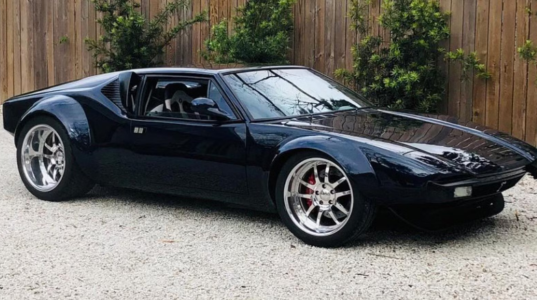
In the high-stakes narrative of 1960s automotive history, few moments are as revolutionary as the 1966 Geneva Motor Show. Within our study, "The 1960s Horsepower Test: Can You Identify These Automotive Icons?" we analyze how the introduction of the mid-engine layout transitioned the industry from "sports cars" into the realm of the "supercar." This shift was not merely mechanical; it was a defiant statement by a young Italian firm that dared to challenge the established hierarchy of Maranello. Identifying this masterpiece is essential for understanding how technical innovation became the primary driver for investment grade classic cars in the modern era.
This question targets the technical "Holy Grail" of 1960s design—the placement of the engine behind the driver. For the contemporary high-net-worth collector, this vehicle represents a blue-chip asset that consistently shatters collector car auction records, with top-tier examples reaching nearly $5 million in 2026. Understanding the Miura's heritage is vital for those managing estate auto liquidation or seeking a specialized vintage car agreed value policy, as the distinction between a P400, S, or SV model can represent millions of dollars in market valuation.
The "Rolling Icons" theme examines the "Disruptors"—vehicles that fundamentally changed the rules of engagement. Before 1966, front-engine grand tourers were the standard for luxury performance. The car featured in this question broke that mold, utilizing a transverse V12 layout inspired by the era's most advanced race cars. This question forces participants to recognize the genesis of the modern exotic car, a category that today dominates events like Monterey Car Week and demands the most rigorous classic car appraisal service.
Furthermore, the Miura’s legacy is a case study in the intersection of art and engineering. Its Marcello Gandini-designed silhouette redefined beauty, while its mechanical complexity introduced new standards for luxury car restoration services. For modern investors, the Miura is more than a vehicle; it is a complex asset that requires a pre-purchase inspection (PPI) by marque experts and a comprehensive understanding of heritage vehicle parts to maintain its investment grade status.
The question narrows its focus to the specific mid-engine innovation of 1966. The options provided represent the elite "A-list" of Italian performance from the late 1960s, requiring the participant to distinguish between front-engine grand tourers and the revolutionary mid-engine "supercar" format.
Answering this correctly requires a nuanced understanding of automotive timelines and the specific technological leaps that define high-value assets. Each option carries a different profile regarding classic car insurance quotes and the specialized engine rebuild cost associated with high-performance V12 or V8 powerplants.
The Lamborghini Miura’s inclusion in "Rolling Icons" highlights the moment when "fast" became "exotic." It proved that a company could achieve legendary status overnight through a single, bold engineering risk. For the 2026 collector, the Miura remains the ultimate symbol of 1960s daring, a vehicle that demands the best classic car transport services and a sophisticated life insurance policy given its status as a multi-million-dollar physical asset.
By correctly identifying the Miura, quiz-takers acknowledge the birth of the supercar—a lineage that still defines the world’s most prestigious auctions and continues to inspire the technical innovations seen at the Goodwood Festival of Speed.
Disclaimer: The information provided in this article is for educational and informational purposes only. Automotive investments, including the purchase of classic cars, involve significant financial risk. Market values fluctuate based on condition, provenance, and global economic factors. Always consult with a professional for a classic car appraisal service, legal advice regarding estate auto liquidation, or a licensed insurance agent for auto insurance quotes and life insurance policies. We do not endorse specific insurance providers or restoration services.