
Q6. Peace, Love, and... Horsepower? This German van became the ultimate symbol of the 1960s counterculture movement.
of The 1960s Horsepower Test: Can You Identify These Automotive Icons?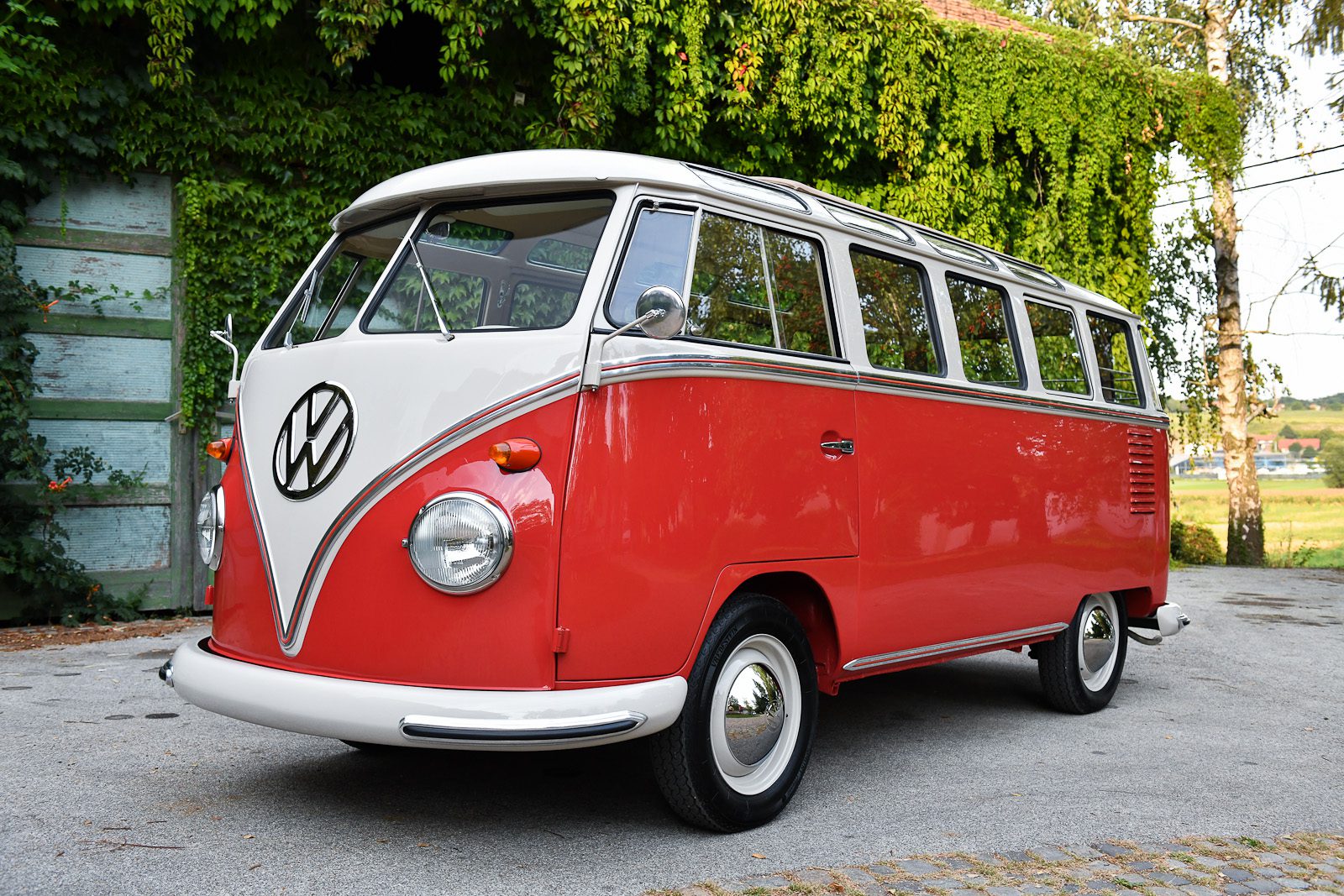
The 1960s were characterized by a profound societal shift, where the automotive industry unexpectedly provided the canvas for a global cultural revolution. In our comprehensive study, "The 1960s Horsepower Test: Can You Identify These Automotive Icons?" we examine how certain vehicles moved beyond their industrial purpose to become mobile icons of peace and social change. The transition of a utilitarian German workhorse into the "Hippie Van" is a testament to the decade's unique ability to repurpose technology for ideological expression. Identifying this vehicle is crucial for understanding how 1960s automotive culture influenced everything from music festivals to modern lifestyle branding.
This inquiry explores the "Life on the Road" segment of the 1960s, a movement that laid the groundwork for today’s high-value adventure vehicle market. For the modern investor, these vans have transitioned from bargain-bin transport to investment grade classic cars, often commanding prices at collector car auction records that rival high-performance sports cars. Recognizing the correct model is vital for anyone engaging in classic car appraisal service or navigating the complexities of a vintage car agreed value policy for a fully restored 21-window or 23-window variant.
The "Rolling Icons" theme is dedicated to exploring the intersection of mechanical design and social history. While the 1960s produced some of the world's most aggressive speedsters, it also fostered a culture of slow-paced, communal travel. This question challenges participants to identify the vehicle that powered the Summer of Love, highlighting the diversity of 1960s global automotive culture. From an estate auto liquidation perspective, these vehicles represent some of the most consistent performers in the market, appealing to both nostalgic baby boomers and a new generation of "Van Life" enthusiasts.
The technical maintenance of these air-cooled legends also plays a significant role in our study. Collectors must often account for specialized luxury car restoration services to ensure period-correct aesthetics, while managing the engine rebuild cost associated with the iconic rear-mounted powerplants. Their presence at the Goodwood Festival of Speed or within the best classic car transport services' specialized fleets underscores their status as true icons that require a robust classic car insurance quote to protect their historical and financial value.
The question focuses on the symbolic power of German engineering when applied to 1960s social movements. Each option represents a different approach to the multi-purpose vehicle (MPV) or van market of the era, requiring the participant to distinguish between American competitors, modern iterations, and the true cultural progenitor.
Correctly identifying this vehicle requires more than an appreciation for its "flower power" aesthetic; it requires an understanding of the vehicle's unique engineering and its position in the current market for investment grade classic cars. Each option offers a different narrative in terms of pre-purchase inspection (PPI) priorities and heritage vehicle parts availability.
The inclusion of the VW Type 2 in "Rolling Icons" acknowledges that the 1960s automotive story is not just about speed—it is about the freedom of the road. This vehicle proved that a clever, space-efficient design could capture the soul of a movement. For today’s collector, the VW Bus offers a unique blend of historical charm and high-value appreciation, provided that one is diligent with a pre-purchase inspection (PPI) to verify the integrity of the chassis and the authenticity of the heritage vehicle parts.
By correctly identifying the VW Type 2, quiz-takers celebrate the car that carried the dreams of a generation, a legacy that is honored every year at the Amelia Island Concours and remains a centerpiece of the world's most diverse investment grade classic car portfolios.
Disclaimer: The information provided in this article is for educational and informational purposes only. Automotive investments, including the purchase of classic cars, involve significant financial risk. Market values fluctuate based on condition, provenance, and global economic factors. Always consult with a professional for a classic car appraisal service, legal advice regarding estate auto liquidation, or a licensed insurance agent for auto insurance quotes and life insurance policies. We do not endorse specific insurance providers or restoration services.