
Q3. If you wanted to be a 'Secret Agent' in 1964, you'd likely drive this British beauty, the DB5. Which brand made it?
of The 1960s Horsepower Test: Can You Identify These Automotive Icons?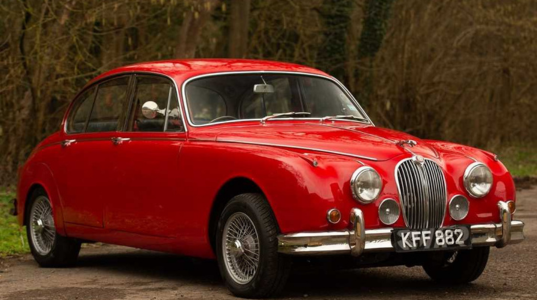
In the mid-1960s, the automotive world experienced a unique phenomenon where pop culture and mechanical excellence collided to create an enduring legend. This relationship is a cornerstone of our study, "The 1960s Horsepower Test: Can You Identify These Automotive Icons?." The inclusion of the 1964 British grand tourer, famously associated with the world’s most renowned secret agent, highlights how media influence transformed high-end vehicles into global aspirational symbols. Understanding this connection is vital for analyzing how certain brands transcended their engineering roots to become cultural institutions.
This question serves as a critical thematic pillar, exploring the "Grand Tourer" (GT) segment that dominated the European market while American muscle was rising across the Atlantic. By identifying the maker of the DB5, participants engage with the concepts of bespoke craftsmanship and the burgeoning market for investment grade classic cars. In the modern era, these vehicles have become so valuable that they dictate trends in collector car auction records and require the most specialized vintage car agreed value policy to protect their multi-million dollar valuations.
The "Rolling Icons" theme is built upon the premise that a car is more than a tool for transport; it is a reflection of the era's geopolitical and social climate. In 1964, the DB5 represented the pinnacle of British sophistication, a "Secret Agent" car that suggested intelligence, wealth, and technical prowess. This question challenges the participant to identify the specific heritage behind this elegance, a task essential for those involved in classic car appraisal service or high-end estate auto liquidation.
The DB5’s legacy also underscores the technical requirements of maintaining 1960s luxury. From the intricate Superleggera body construction to the high-performance straight-six engine, these vehicles necessitate a deep understanding of heritage vehicle parts and the significant engine rebuild cost associated with period-correct restorations. Its presence at the Goodwood Festival of Speed or the Amelia Island Concours continues to drive the market for the best classic car transport services and premium classic car insurance quotes.
The question focuses on the year 1964, a period when British manufacturers were defining the "gentleman’s express." Each option provided represents a pillar of the United Kingdom's automotive history, requiring the participant to distinguish between lightweight racers, stately cruisers, and the ultimate grand tourer.
Answering this correctly requires knowledge beyond simple trivia; it requires an appreciation for brand lineage and the specific design cues that make a vehicle an investment grade classic car. Each option carries its own set of requirements for pre-purchase inspection (PPI) and historical documentation.
The DB5’s inclusion in our study of 1960s global automotive culture illustrates the power of branding and the birth of the "supercar" as a cultural icon. It serves as a reminder that the 1960s was a decade where engineering became art. For today’s enthusiast, the DB5 is the ultimate goal of an investment grade classic car strategy, requiring specialized classic muscle car insurance (for its high-performance variants) and meticulous Shelby Cobra-level authenticity verification regarding its chassis and engine numbers.
By correctly identifying Aston Martin as the creator of the DB5, quiz participants acknowledge the profound impact of British design on the global stage, an influence that still resonates at Monterey Car Week and in the portfolios of the world's most elite collectors.
Disclaimer: The information provided in this article is for educational and informational purposes only. Automotive investments, including the purchase of classic cars, involve significant financial risk. Market values fluctuate based on condition, provenance, and global economic factors. Always consult with a professional for a classic car appraisal service, legal advice regarding estate auto liquidation, or a licensed insurance agent for auto insurance quotes and life insurance policies. We do not endorse specific insurance providers or restoration services.